Caring for an acoustic guitar takes little time, yet it shapes both tone and lifespan. Winter is the critical window: heated indoor air dries out the wood, and on a solid top dryness can lead to cracks.
This guide walks through what matters, step by step: the right humidity, regular string care, looking after the fretboard and body, and storage that protects the instrument.
01Humidity: the key factor in winter
Wood responds to the surrounding air. The ideal range sits at roughly 45 to 55 percent relative humidity. If it drops below that in winter because of the heating, the top releases moisture, shrinks and can crack. If it stays too high, the wood swells and the tone turns dull.
Instruments with a solid top are especially sensitive. Unlike a laminate top, solid wood reacts immediately to the room climate. A simple hygrometer in the guitar case makes the reading visible. When the air gets too dry, a guitar humidifier releases moisture in a targeted way inside the soundhole or the case.

02Cleaning and changing strings
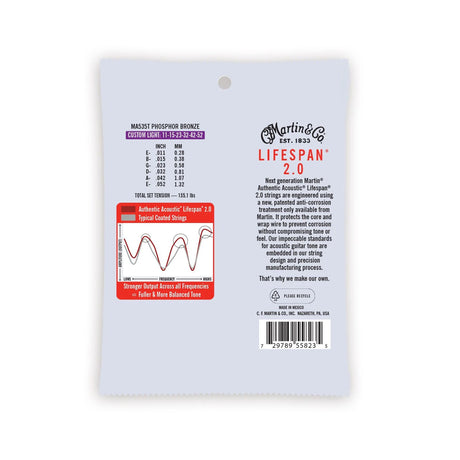
Skin oil, sweat and dust settle on the strings after every session. That costs brightness and ages the strings faster. Wipe the strings down with a dry cloth after playing, top and underside, the simplest and most effective step there is.
When strings sound dull, feel rough under the fingers or discolour, a change is due. How often depends on how much you play, from occasionally to weekly. Change them string by string where possible, so the pull on neck and top stays even. A quick clean of the fretboard and bridge area during a string change is worth it, since those spots are otherwise hard to reach.

03Caring for fretboard and body
An unfinished fretboard made of rosewood or ebony can take a little care now and then, ideally during a string change when it is exposed. A drop of fretboard oil on a cloth is enough, let it soak in briefly, wipe off any excess. The key point: use it sparingly and not too often, once or twice a year is usually plenty. Oiling too frequently softens the wood and achieves nothing.
Clean the finished body with a soft, dry or slightly damp microfibre cloth. Harsh household cleaners or silicone polish have no place on an instrument. Solid woods are sensitive, so the same rule applies: little product, gentle motions.

04Storing and transporting it properly
The best place to keep a guitar offers a stable room climate, away from the radiator, the window and outside walls. Direct sunlight and draughts are best avoided, as is the car, where the temperature swings sharply. A closed case protects against knocks, but it also buffers swings in temperature and humidity, and in winter it is the safer choice over an open stand.
For transport: protect it from cold and damp, and give the guitar time to adjust to room temperature after coming in from outside before you open the case. That way you avoid condensation forming on the cold wood.
Guitar care is not a chore but a short routine: wipe the strings, watch the humidity, look after the fretboard now and then, and store the instrument wisely. A solid-wood guitar in particular rewards you with stable tone for many years. To go further, the matching care and string range has everything for the routine.
Frequently asked questions
How often should I care for my acoustic guitar?
Does every acoustic guitar need a humidifier?
How often should I oil the fretboard?
Should I store the guitar on a stand or in a case?
The right care accessories
From humidifier to fretboard oil to a fresh set of strings: everything for the regular care of your acoustic guitar.
Browse care accessoriesFind stringsBags and casesPassende Produkte
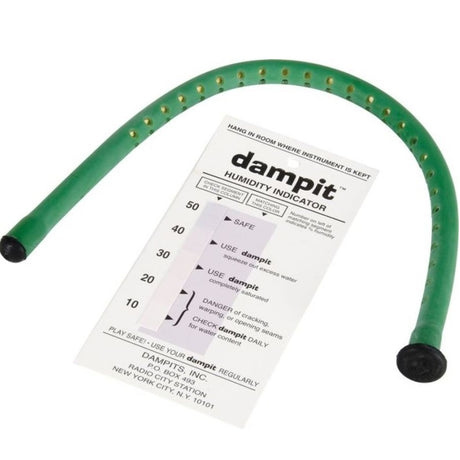
Dampit humidity regulator for guitar