The start of school is often the moment when families begin asking about a child s first instrument. The choice is wide, and not every instrument fits every child, every budget and every home.
This comparison places five proven beginners side by side: recorder, ukulele, classical guitar, violin and digital piano. In the end four things decide: the child s age, their motivation, the budget and the space at home.
01What really matters in the choice
Before settling on a specific instrument, it pays to look at the wider picture. Four questions help narrow the choice.
How old is the child? For the first school years, small, light instruments that bring quick wins work best. How much patience is there? Bowed string instruments take longer to produce a good tone, while keys and small string instruments reward sooner. How much space and quiet is there at home? A digital piano needs a fixed corner but can be played silently through headphones. And finally: what is the starting budget?
A practical note: for growing children, guitar and violin come in child sizes such as 1/2 or 3/4. The right size matters more than the brand, so that playing is comfortable from the start.
02The five beginners at a glance
The table below sums up the typical strengths and the points to weigh before buying. The prices are rough guidance for solid beginner models, not daily prices.
| Instrument | Suitable from | Ideal for | Worth considering | Price range |
|---|---|---|---|---|
| Recorder | 5 to 6 years | quick start, breathing and reading, school standard | often seen as a transitional instrument | very affordable |
| Ukulele | 5 to 6 years | small, light, quick wins, four strings | limited range for later | affordable |
| Classical guitar | 6 to 8 years | versatile, child sizes 1/2 to 3/4 | fretting needs some strength and patience | mid-range |
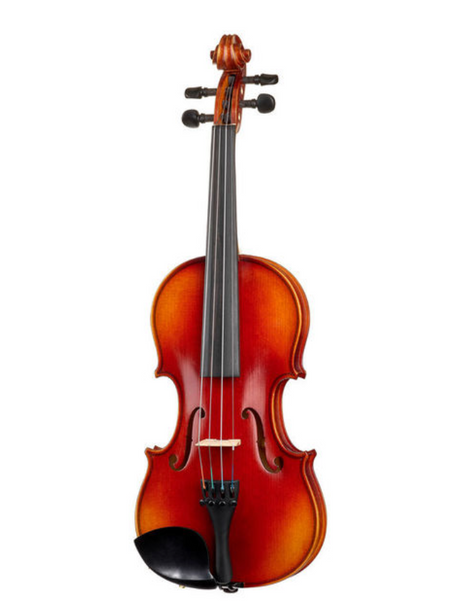
| Violin | from 5 to 6 years | ear training, early start, child sizes | longer path to a good tone, lessons advised | premium |
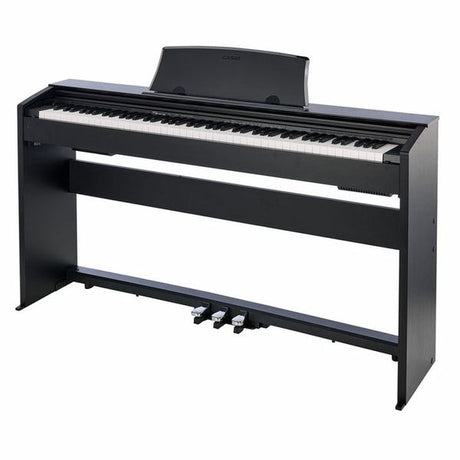
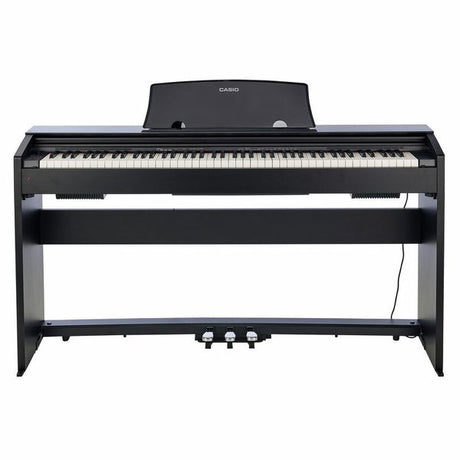
| Digital piano | from 5 years | understanding tone, harmony, quiet play with headphones | fixed space and higher investment | the most expensive |
03Recorder: the classic school start
The recorder has been the first instrument in many schools for generations. It is affordable, light and brings quick success. Children learn breath control and note reading early, often in group lessons. That makes it a good foundation, even if another instrument follows later.
For the start, a solid school model with German or baroque fingering is enough. Which fingering makes sense depends on the child s lessons.

04Ukulele and classical guitar: the string beginners
The ukulele, with its four strings, is the fastest route to first songs. It is small, light and fits well into a child s hands. After just a few chords, simple songs can be played along, which keeps motivation high.
The classical guitar is more versatile and stays for a lifetime, but asks for a little more strength and patience when fretting. The right size is key: for younger children there are 1/2 and 3/4 models that sit comfortably in the arm. Starting early with the right size avoids frustration.


05Violin: an early start with ear training
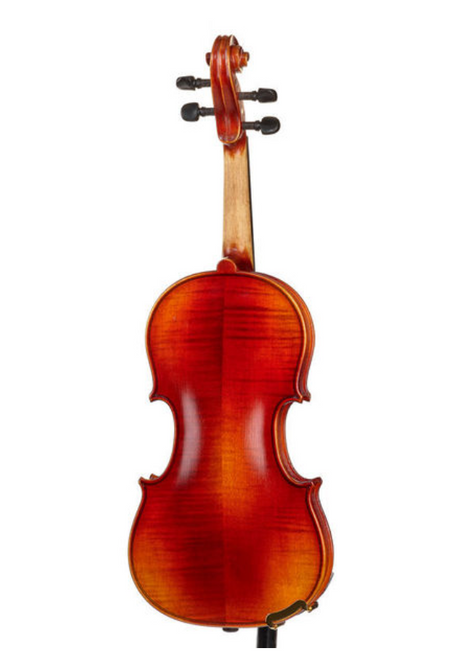
The violin suits a very early start and trains the ear especially well, because every note has to be found by hand. It opens the way into chamber and orchestral music. In return, the first good tone takes longer to arrive, and qualified lessons are advisable from the start.
Here too size matters: child violins go down to 1/8 and 1/4. A complete set with bow and case is a practical start, because everything needed fits together.

06Digital piano: grasp harmony and practise quietly
The piano is an excellent first instrument, because simple melodies can be played quickly and children see pitches and harmonies directly. An acoustic piano, however, needs space and investment.
A digital piano is the practical alternative for many families: weighted keys for a piano-like feel, no tuning needed and quiet practice through headphones. This solves late practice times without disturbing the home. If still unsure, the range also includes models to rent.

07Rent or buy, and what comes next
For the pricier instruments, violin and digital piano, renting is a good first step while it is still unclear whether the enthusiasm will last. The start stays manageable, and moving up to the next size is easier.
For affordable beginners like recorder and ukulele, buying directly makes sense, since the risk is small. For a broad overview of beginner instruments across all categories, browse the selection at Bestseller.
There is no single right first instrument for children. Recorder and ukulele bring early joy on a small budget, the classical guitar grows with the child, the violin trains the ear, and the digital piano opens up an understanding of harmony. By answering the four questions on age, patience, space and budget honestly, the right direction soon becomes clear.
Frequently asked questions
Which is the best first instrument for children?
At what age can a child start an instrument?
What size does my child need for guitar and violin?
Is renting better than buying?
How loud is a digital piano compared to a piano?
Find the right beginner instrument
Browse our beginner models for every category and find the right start for your child.
Recorders for beginnersUkuleles to startClassical guitars 3/4Passende Produkte


Yamaha YRS-23 soprano recorder white – German fingering, double hole, ABS plastic, three-piece
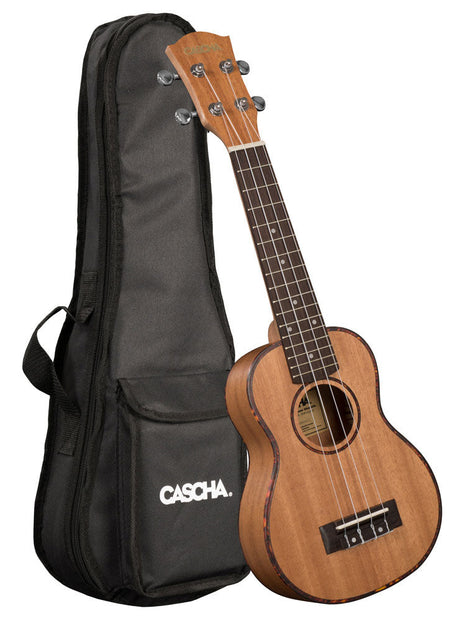
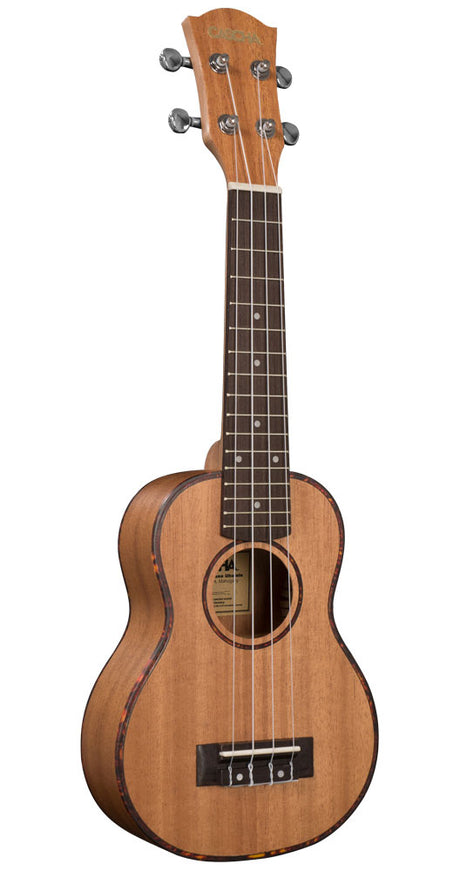
CASCHA HH2026 soprano ukulele – mahogany body, Aquila nylon strings
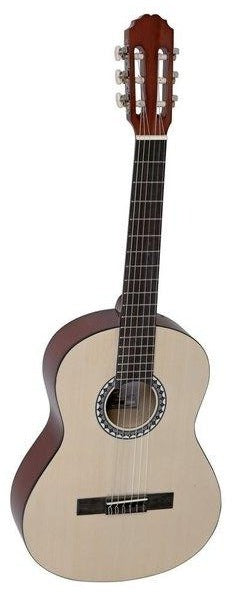
GEWA Pure BasicPlus classical guitar 3/4 – spruce top, linden back and sides