

At some point the instrument stops keeping up. The low register sounds veiled, the high notes speak hesitantly, and in an ensemble your own tone disappears. That is the moment many players start thinking about a saxophone upgrade: from a solid student horn up into the intermediate and professional class.
This article walks the whole path upward and answers the central question: when is the upgrade really worth it, and when does a smaller improvement do the job for now?
01Signs you have outgrown your student horn
A student saxophone is built for durability and easy response. It carries a beginner safely through the first years. Eventually, though, it starts to hold your development back instead of supporting it.
Typical signs are a sluggish response in the extreme registers, intonation that will not stay clean in the low and high range without constant correction, and too little projection once you have to play against other instruments. The clearest signal, however, is internal: you have a clear tonal idea in your head that the instrument no longer renders. When the expression fails at the material rather than the technique, the upgrade is due.
02What the professional class actually does better
The difference between a student and a professional saxophone is not in the label but in material, craftsmanship and consistency. Higher-grade body and mechanism alloys, keys adjusted by hand with precision and a more carefully made bore deliver a more even response across the entire range.
In practice that means more reliable intonation across all registers, a tone that carries further, and an instrument that responds more finely to dynamics and articulation. Professional instruments are also more consistent from unit to unit. And they hold their value: a well-kept professional horn from Yamaha or Selmer is a long-term investment with stable resale value, not a consumable.
03The steps of the upgrade: intermediate, entry-level pro, professional
The jump from a student horn to the professional class rarely happens in one step. There is a sensible ladder, and each rung has its audience.
The intermediate class, such as the Yamaha YAS 480 Altsaxophon, closes the gap after the beginner horn: better response and intonation than the student model, at a still moderate price. It is ideal for advanced students and ambitious hobby players.
The entry-level professional step, in this line the Yamaha Altsaxophon YAS-62 04, is for music students and committed amateurs looking for an instrument to keep for many years. This is where genuine professional construction begins.
The professional class, finally, for example the Custom model Yamaha Altsaxophon YAS-875 EX or the Selmer Super Action 80 II Altsaxophon mit Gravur, is made for professional musicians and very advanced players with a defined tonal idea. We also carry Yanagisawa and selected pre-owned professional horns on request.


| Step | Example | For whom | Price range |
|---|---|---|---|
| Intermediate | Yamaha YAS-480 | Advanced students, ambitious hobby players | Entry-level |
| Entry-level pro | Yamaha YAS-62 | Music students, committed amateurs | Mid-range |
| Professional / Custom | Yamaha YAS-875EX, Selmer SA80 II | Professional musicians, very advanced players | Top of the range |
04The mouthpiece first, the horn second
Before you invest several thousand euros in a new instrument, an intermediate step is worth taking. Mouthpiece and reed shape the sound strongly and cost a fraction of a new saxophone. Many players get noticeably more out of their current horn by moving to a higher-quality mouthpiece with a matching reed.
Our advice: try the setup first. If the limits then sit clearly in the instrument itself, that is in response, intonation and projection, the new horn is the right decision. You will find the full selection in our Saxophone.
The right moment to upgrade has come when the instrument holds your musical development back instead of supporting it. Structure the step along the intermediate, entry-level pro and professional rungs, and test the mouthpiece first. If you are still at the start of this path, the Yamaha YAS-280 versus YAS-480 comparison places the entry and intermediate models; our saxophone selection gives an overview of the professional alto saxophones.
Frequently asked questions
How do I know I need a new saxophone?
Is it worth jumping straight to the professional class?
What technically separates a professional saxophone from a student model?
Should I change the mouthpiece first or buy a new saxophone right away?
Does a professional saxophone hold its value?
Ready for the next step?
Compare the steps from the intermediate to the professional saxophone and find the horn that carries your tonal idea.
View all saxophonesDiscover the Yamaha YAS-62Passende Produkte
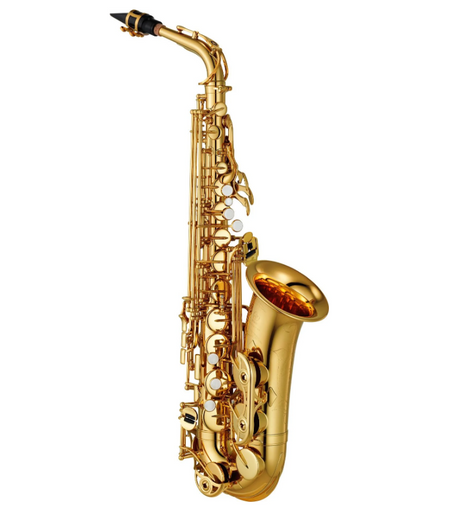
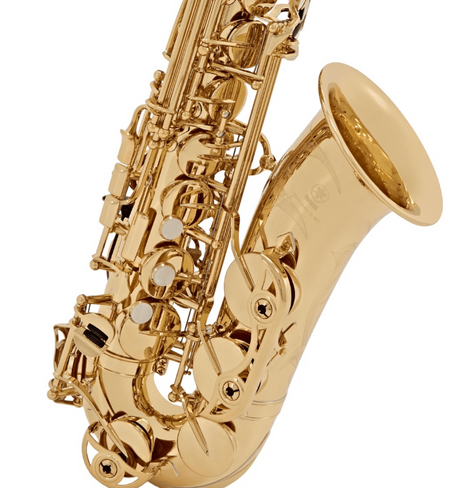
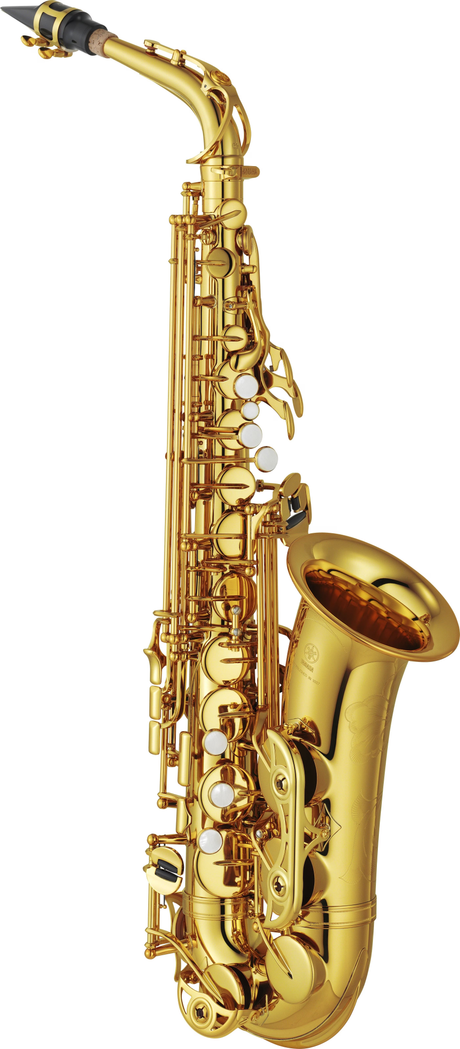

Yamaha YAS-62 Eb alto saxophone – professional class, annealed brass body & 62 neck (case included)

