

If you want to practise the trumpet in a flat, in a hotel or late at night, you need a solution that cuts the volume sharply. There are two fundamentally different ways to do it: the classic practice mute, which works purely acoustically, and the electronic Yamaha Silent Brass system with headphones.
Both make the trumpet quiet, but they feel completely different. This comparison shows how a trumpet practice mute and a Silent Brass differ, and which way suits whom.

Purely acoustic, affordable, ready to use
Ideal for: Occasional quiet practice on a small budget
See all Trompeten - Dämpfer →Electronic with headphones and a natural tone
Ideal for: Daily serious practice with play-along
See all Trompeten - Dämpfer →01The classic practice mute: purely acoustic
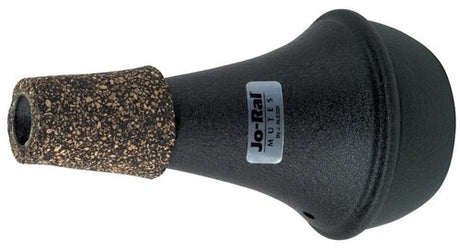
A classic practice mute fits into the bell like any other mute and reduces the volume purely mechanically. It needs no power, no cables and no app, it is ready to use straight away and fits in any case.
The upside is price and simplicity. The downside is the playing feel: the tone sounds stuffy and darker than without a mute, and many models build up noticeable blowing resistance. Intonation can also shift in some registers. You hear yourself more quietly, but not the way the trumpet sounds open. A proven example is the WHIZZPER Übungsdämpfer Trompete Warm Up Mute.


02Silent Brass: electronic with a natural tone
The Yamaha SB7J Silent Brass System für Trompete takes a different route. It consists of two parts: a light, free-blowing Pickup Mute in the bell and the Personal Studio, a small control unit for the headphones.
The key difference lies in Brass Resonance Modeling. A microphone picks up the sound, and the electronics remove the typically stuffy mute tone and play back a natural, full trumpet sound through the headphones, almost as if you were playing without a mute. The Pickup Mute itself is lighter and freer to blow than many purely acoustic practice mutes. An aux input also lets you add a backing track, so you can play along to play-alongs or pieces from your smartphone.

03Tone, blowing resistance and intonation compared
On pure volume there is little between them: both cut the sound radiated outward sharply, making practice in a flat or late in the evening possible. The difference is in what you hear and feel yourself.
With the classic practice mute you hear the stuffy, darker tone and feel, depending on the model, more resistance. With Silent Brass you hear the natural tone over headphones and the Pickup Mute blows more freely. Players who practise a lot and regularly often find the natural tone more pleasant and closer to open playing.
| Feature | Classic practice mute | Yamaha Silent Brass |
|---|---|---|
| How it works | Purely acoustic in the bell | Pickup Mute plus Personal Studio with headphones |
| Tone for the player | Stuffy, darker | Natural and full over headphones |
| Blowing resistance | Often higher depending on model | Free blowing |
| Play-along | Not possible | Possible via aux input |
| Power and cables | None | Personal Studio with battery and headphones |
| Price range | from roughly double digits | from roughly triple digits |
04Which solution is worth it for whom?
A classic practice mute is the right choice if you only practise quietly now and then, are on a small budget and are comfortable with the stuffy tone. It is small, robust and usable without any preparation.
Silent Brass is worth it if you practise daily and seriously, value a natural tone in the headphones and like to play along. The higher price pays off above all when the trumpet sees a lot of use and the playing feel should stay as close as possible to open playing. An overview of both routes is in the Trompeten - Dämpfer category.
Both routes make the trumpet quiet; the difference is in tone, playing feel and price. If you only play muted occasionally, a classic practice mute serves you well; if you practise daily and want the natural tone in headphones, Silent Brass does. If your question is less about quiet practice and more about the tonal character of a mute, our article on the different types of trumpet mutes such as Straight, Cup or Harmon will help.
Frequently asked questions
How much quieter does a practice mute make the trumpet?
Does the trumpet sound natural with Silent Brass?
Does a practice mute worsen intonation?
Can I play along to music with Silent Brass?
Is the extra cost of Silent Brass worth it?
Find the right mute for your trumpet
From the classic practice mute to the electronic Silent Brass system: our category brings together both routes to quiet practice.
Browse trumpet mutesYamaha Silent Brass SB7JPassende Produkte
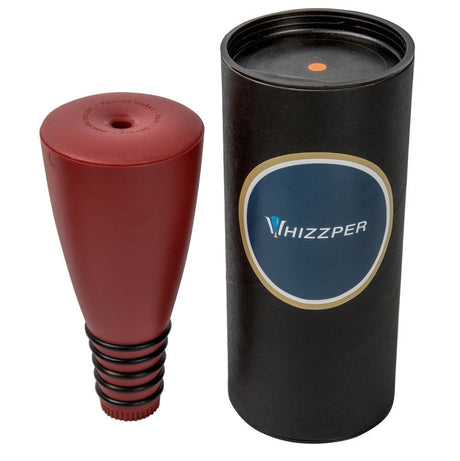
WHIZZPER Practice Mute Trumpet Warm Up Mute
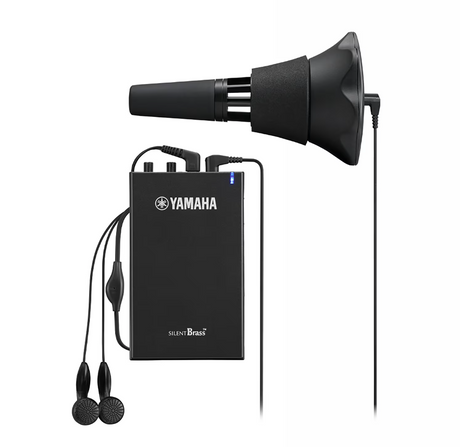
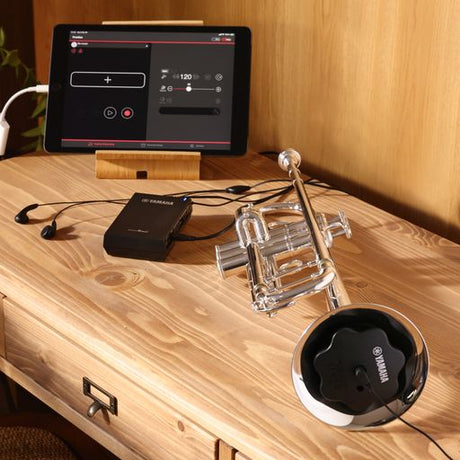
Yamaha SB7J Silent Brass System for trumpet