

People who want to learn ukulele often look first for a method or songbook. Before that, it helps to choose an instrument that suits your preferred size and feel. Then you can select learning material and break your first exercises into manageable steps. This guide moves from instrument choice to practice without promising quick results.
01Choose an instrument that feels comfortable to fret
Soprano, concert and tenor ukuleles differ in scale length and overall format. For the Cascha examples here, the maker lists a 35 cm scale for the HH2026 soprano, 38 cm for the HH2035 concert and 43 cm for the Mahogany Solid tenor. These measurements apply to specific models, not to an age rule. Check nut width and body size too. If you are between formats, compare fret spacing with your hand. Soprano is the most compact of these examples; concert and tenor provide other reference points. Use the category links below to browse instruments, then compare their product details.
02Method or songbook: choose a learning format
A method often presents fundamentals in sequence: holding the instrument, sounding the strings, reading chord diagrams and working on rhythm. A songbook collects pieces and chord progressions; it may suit you if you know a few basics or prefer learning from written music. Check whether the explanations, notation and chord diagrams match the way you like to learn. Some sets include a booklet or tuner, so check the exact version’s contents. The two category links below separate methods from songbooks. A book is a practice tool, not a promise of a particular learning speed.
03First exercise: separate sound, chord shape and movement
Start by tuning the instrument as directed by your tuner, then pluck each string separately and listen to the notes. Next, choose one simple chord shape from your learning material. Place each finger in turn, check the strings and relax your hand. Once the shape makes sense, practise moving to a second chord. Slow, steady movements make mistakes easier to hear than rushing through the change. For rhythm, begin with one even downstroke on each beat, then add a simple upstroke. These are practice ideas, not a guarantee of progress. Keep the session short enough to stay focused and note which chord or movement to revisit next time.
04Move from accompaniment to simple melodies
As chord changes and rhythm become more familiar, add individual notes on the fretboard. Choose a short melody from your learning material and practise it without a strumming pattern first. Later, see whether some notes can be combined with a chord. A method can help if you prefer guided steps; a songbook lets you choose passages yourself. Use the size guide to decide on an instrument, then compare the specific models linked below.
A useful start combines an instrument that feels right in your hands with learning material that suits your approach. Work through chords, rhythm and melodies in small steps. Our ukulele selection helps you compare formats and models.
Frequently asked questions
Which ukulele should I choose for learning?
Should I start with a method or a songbook?
How should I practise my first chords?
When can I try melodies?
Find a ukulele and learning material
Compare instruments and browse available methods and songbooks.
All ukulelesUkulele methodsUkulele songbooksCASCHA soprano ukuleleCASCHA tenor ukulelePassende Produkte
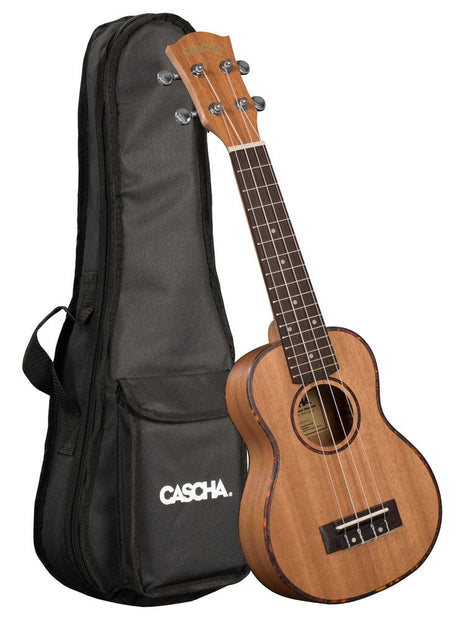
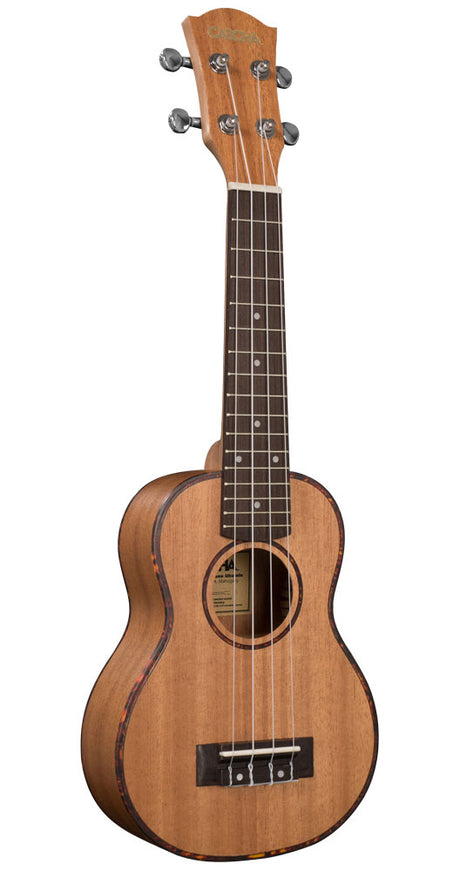
CASCHA HH2026 soprano ukulele – mahogany body, Aquila nylon strings


CASCHA HH2035 concert ukulele – veneered mahogany body, Aquila nylon strings, includes gig bag


CASCHA CUTMS2 tenor ukulele – solid mahogany body, rosewood fretboard and bridge, includes gig bag