
Choosing a digital piano for a child means finding an instrument that fits everyday life. Age or height alone cannot decide which model is right. First clarify how the piano will be used: regular piano practice, occasional exploration, playing together or a flexible setup. Weighted keys, headphone output, controls and available space are practical points to compare. This guide considers three current stage pianos using official manufacturer information. Their features can help with a shortlist; they do not guarantee progress or a particular technical development.
01Start with the learning path and daily routine
Talk with the child and, where relevant, their teacher about the music they play and the keyboard used in lessons. If piano pieces and regular playing are central, an instrument with 88 weighted keys is a useful group to compare. Also consider room, seating and whether the piano will stay in one place or move occasionally. There is no universal age recommendation: children grow and play differently. Describe the intended use and check the controls on the specific model instead. A suitable choice makes the instrument available; it cannot guarantee a practice routine or learning outcome.
02Compare keys and features across three models
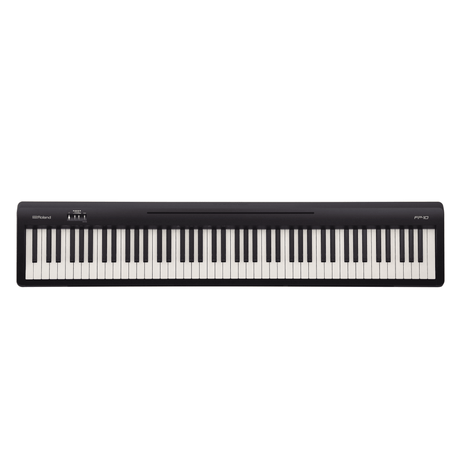
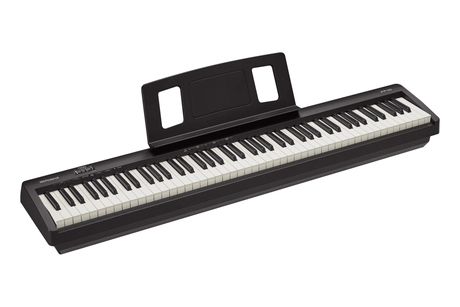
The Yamaha P-145BT and Kawai ES120 are 88-key stage pianos. Yamaha lists a GHC keyboard and a CFIIIS piano sound; the model also offers Bluetooth audio. Kawai lists Responsive Hammer Compact action, SK-EX and EX piano sounds, and Bluetooth MIDI and audio. Roland announced the current FP-40 in September 2026 and describes its Piano Reality Sound Engine, Bluetooth and built-in Wi-Fi. These details show which features you can assess. They do not establish a general ranking or prove that one instrument suits every child.
03Plan for controls, headphones and space
An instrument is used alongside other people at home. A headphone output is therefore a useful comparison point when it matches the intended routine. Also check how sounds are selected, which connections lessons or other devices require, and how the piano can be set up. Stage pianos are designed for flexible placement, but stands, pedals and other accessories may be separate; verify the exact configuration. Connectivity features can add options to a digital instrument. They do not replace family agreements about when and how to practise.
04Make a considered choice
Build a short checklist: 88 weighted keys, the piano sounds you need, headphone output, controls and a suitable setup. Then mark which models meet those requirements. The P-145BT may suit a shortlist when 88 keys and a compact case matter; the ES120 and FP-40 have their own key and connection features. Check the official manufacturer page and the shop listing for the exact version you are considering. Decide together with the child and account for lesson requirements, without presenting any brand or model as a guaranteed shortcut to progress or long-term development.
Choose a first digital piano around the playing plan, keys, controls and daily routine. Manufacturer data support comparison; the instrument should fit the child and their actual learning path.
Frequently asked questions
At what age is a digital piano suitable?
Are 88 weighted keys always necessary?
Which of these three models is best for children?
Will a particular digital piano guarantee learning progress?
Compare stage pianos against your requirements
Review the specific configurations and see which features fit your everyday practice needs.
View Yamaha P-145BTView Kawai ES120View Roland FP-40Browse stage pianosPassende Produkte
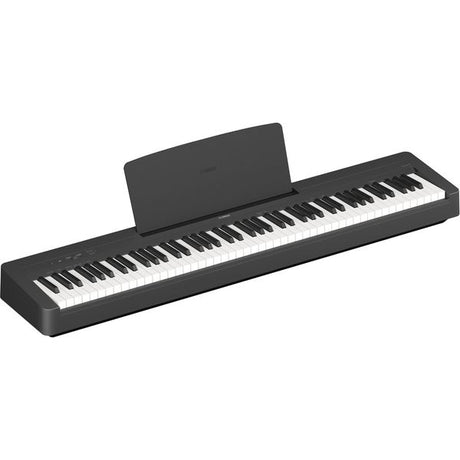
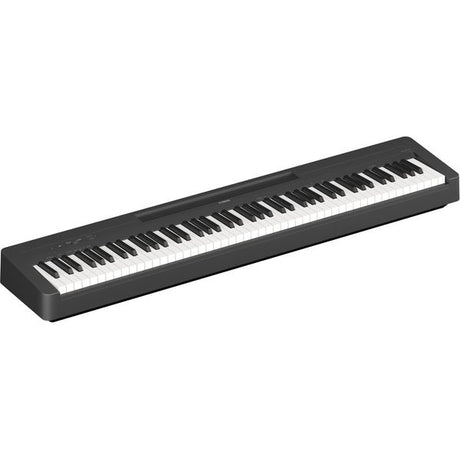
Yamaha P-145 BT Stage Piano 88 keys – 40 € Cashback