

Yamaha or Kawai grand piano: anyone shopping for a new grand in the entry to mid range almost inevitably ends up with these two makers. Yamaha offers the GB1K baby grand and the GC range, Kawai the GL series from GL-10 to GL-50. Both build reliable, long-lasting instruments, but their character differs noticeably.
This comparison explains the real differences in action, tone and size range, rather than placing one brand above the other. By the end you will know which grand suits your playing and your room.

Bright, clear, precise
Ideal for: Players who like brilliance, projection and a direct touch.
See all Flügel →Warm, full, organic
Ideal for: Players who prefer a round, carrying tone and a light, stable action.
See all Flügel →01The action: wood vs Millennium III
The biggest design difference is in the hammer action. Yamaha uses a classic wooden action that delivers a slightly firmer, defined touch, felt by many pianists as immediate and controlled.
Kawai fits the GL series with the Millennium III action, with parts made of ABS-carbon composite instead of wood. These parts are lighter and dimensionally stable against changes in temperature and humidity, the touch tends to be lighter and the repetition faster. Players who play a lot and fast notice this difference first.


02The tone: bright vs warm
Yamaha grands take their tonal cue from the concert grand line and sound rather bright, clear and brilliant. They project well in larger rooms, some players find the tone a little direct at full volume.
Kawai aims the GL series at a warmer, fuller and more organic base tone, drawn from the maker's premium line. The sound is rounder and more carrying, soft in the pianissimo. Both approaches are a matter of taste, not quality.
03Sizes and models at a glance
Yamaha covers the compact baby grand with the GB1K (151 cm), above it the GC1 and GC2 and the larger C series for hall and studio. Kawai stages the GL series from GL-10 through GL-30 to GL-50, covering the same span from living room to larger room.
The rule of thumb holds for both: the longer the grand, the longer the bass strings and so the fuller, more carrying the tone. The room matters too, a grand that is too big overwhelms a small room acoustically.


| Feature | Yamaha (GB1K, GC1) | Kawai (GL-10, GL-30) |
|---|---|---|
| Action | Classic wooden action, firmer touch | Millennium III with ABS-carbon, light and stable |
| Tonal character | Bright, clear, brilliant, projecting | Warm, full, organic, carrying |
| Entry baby grand | GB1K, 151 cm | GL-10, 153 cm |
| Mid range | GC1, GC2 | GL-30, GL-50 |
| Ideal for | Direct, brilliant playing | Round tone, fast repetition |
04Which grand for which player
Yamaha suits players who value a clear, projecting tone and a defined touch, for example for pop, jazz or playing in larger rooms. The direct character gives security and control.
Kawai comes out ahead when a warm, round sound and a light, fast action are wanted, for example for classical repertoire or long practice sessions. In the end your own ear and hand decide. A grand is a purchase for decades, the trial play is worth the time.
Yamaha or Kawai is not a question of better or worse, but of tone and touch. Yamaha stands for brilliance and directness, Kawai for warmth and a light, fast action. Hear both side by side and the choice makes itself.
Frequently asked questions
Does a Kawai grand really sound warmer than a Yamaha?
What does Kawai's Millennium III action offer?
Which grand is better suited to beginners?
How big should the grand be for a living room?
Yamaha and Kawai grand pianos at a glance
Explore our new grand pianos from both makers, from the compact baby grand to the mid range.
View all grand pianosDiscover the Kawai GL-10Passende Produkte
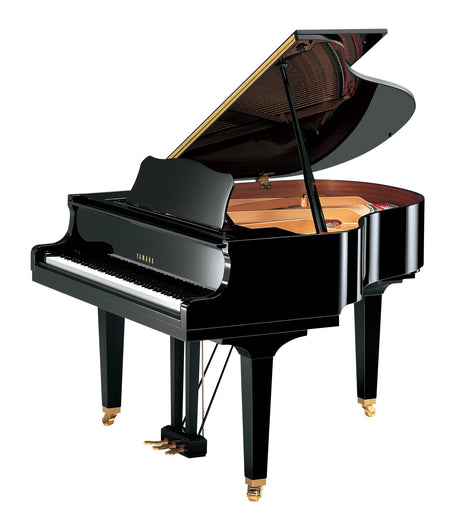

Yamaha GB1 grand piano black polish – 146 cm, Balanced Action mechanism, V-Pro cast iron frame
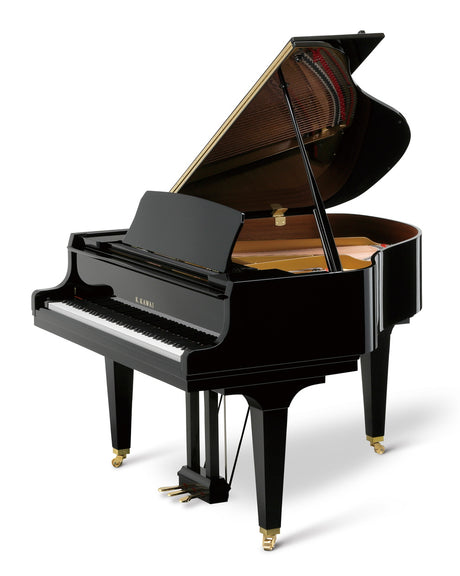

Kawai GL-10 grand piano black polish – 153 cm, Millennium III action, solid spruce soundboard
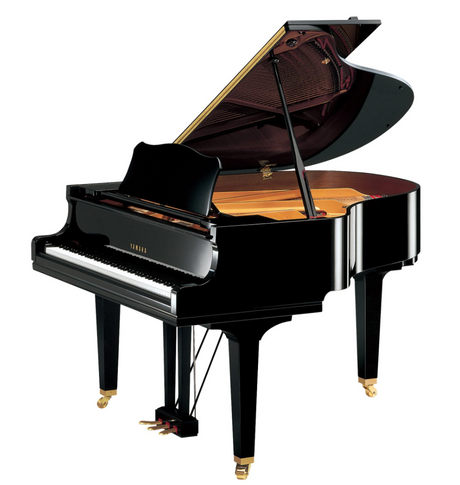
Yamaha GC1 grand piano black polish – 161 cm, Balanced Action mechanism, from the Classic Collection
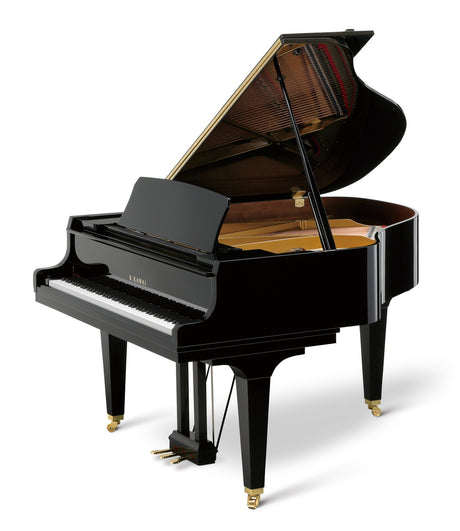
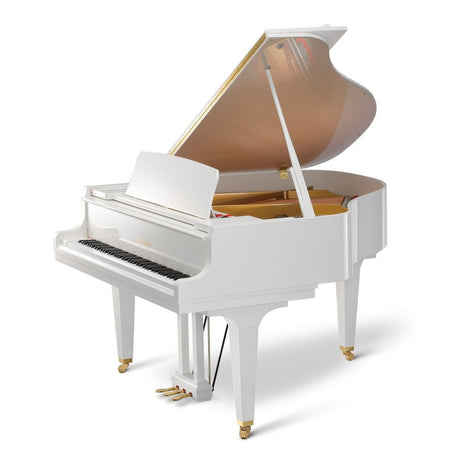
Kawai GL-30 grand piano – 166 cm, Millennium III action, solid spruce soundboard